birthright project

economic dignity is a human right.

birthright project is a 501C3 nonprofit that builds technology, programs, and social enterprises with under-resourced communities across africa and the americas. our work helps communities gain access to tools, digital skills and earn income through ventures they own.

91% of young people lacked basic digital skills · 15 African countries55% lacked basic digital skills · Latin America and the Caribbean60% of children believed the first search result is always right · Argentina84 points gap in computer and information literacy · U.S. public schools, highest vs lowest poverty63% of public schools cited staff skill gaps as a barrier · Brazil89% of children fell short of minimum reading and math proficiency · Africa72% did not complete upper secondary education · Sub-Saharan Africa36% of school-age children and youth were out of school · low-income countries21.4% of 15 to 24-year-olds outside employment, education, and training · South America~70% of lower-income children could not use a computer at home for schoolwork · Argentina58.3% of primary schools lacked internet access · Peru76% / 70% of students attended schools with poor digital resources · Zambia / Kenya65% of students attended schools with poor digital resources · Colombia35% of connected schools restricted Wi-Fi to non-students · Brazil1 device per 63 secondary students · Uganda99%+ of schools lacked functioning internet · Sierra Leone72% of primary schools lacked electricity · low-income countries560M+ people lived without electricity · Sub-Saharan Africa3 in 4 firms reported power outages · Sub-Saharan Africa25%+ of average income for fixed broadband · low-income countries93% of micro and small businesses did not sell online · Peru93%+ of microenterprises did not use smartphones or computers for business · seven African countries82% handled inventory without digital tools · six African countries87% of firms lacked a website · Burkina Faso, Ethiopia, Senegal61.1% of microbusinesses did not accept bank transfers or online payments · Colombia53% vs 87% of small vs large firms had a website · Brazil70% of small online sellers did not sell through their own website · Brazilup to 35% more for comparable software and equipment · Africa34% reported too few qualified IT candidates · Brazil38% did not regularly serve customers online · U.S. local businesses71% of nonprofits did not receive donations online · Brazil39% had no website or web page · Brazil88.5% had not used donor management or CRM software · Nigeria51.7% struggled to digitize finance and fundraising · Nigeria76.3% had conducted no formal program evaluation in two years · Nigeria76.8% lacked a data protection and privacy framework · Nigeria31 points gap in technology risk flags · very small nonprofits66% had no dedicated donor funding for digital needs · African nonprofits47% cited a lack of grant or funder support · nonprofits underspending on technology80% of grantmakers did not provide technology or tools to partners · North America and Europe91% of young people lacked basic digital skills · 15 African countries55% lacked basic digital skills · Latin America and the Caribbean60% of children believed the first search result is always right · Argentina84 points gap in computer and information literacy · U.S. public schools, highest vs lowest poverty63% of public schools cited staff skill gaps as a barrier · Brazil89% of children fell short of minimum reading and math proficiency · Africa72% did not complete upper secondary education · Sub-Saharan Africa36% of school-age children and youth were out of school · low-income countries21.4% of 15 to 24-year-olds outside employment, education, and training · South America~70% of lower-income children could not use a computer at home for schoolwork · Argentina58.3% of primary schools lacked internet access · Peru76% / 70% of students attended schools with poor digital resources · Zambia / Kenya65% of students attended schools with poor digital resources · Colombia35% of connected schools restricted Wi-Fi to non-students · Brazil1 device per 63 secondary students · Uganda99%+ of schools lacked functioning internet · Sierra Leone72% of primary schools lacked electricity · low-income countries560M+ people lived without electricity · Sub-Saharan Africa3 in 4 firms reported power outages · Sub-Saharan Africa25%+ of average income for fixed broadband · low-income countries93% of micro and small businesses did not sell online · Peru93%+ of microenterprises did not use smartphones or computers for business · seven African countries82% handled inventory without digital tools · six African countries87% of firms lacked a website · Burkina Faso, Ethiopia, Senegal61.1% of microbusinesses did not accept bank transfers or online payments · Colombia53% vs 87% of small vs large firms had a website · Brazil70% of small online sellers did not sell through their own website · Brazilup to 35% more for comparable software and equipment · Africa34% reported too few qualified IT candidates · Brazil38% did not regularly serve customers online · U.S. local businesses71% of nonprofits did not receive donations online · Brazil39% had no website or web page · Brazil88.5% had not used donor management or CRM software · Nigeria51.7% struggled to digitize finance and fundraising · Nigeria76.3% had conducted no formal program evaluation in two years · Nigeria76.8% lacked a data protection and privacy framework · Nigeria31 points gap in technology risk flags · very small nonprofits66% had no dedicated donor funding for digital needs · African nonprofits47% cited a lack of grant or funder support · nonprofits underspending on technology80% of grantmakers did not provide technology or tools to partners · North America and Europe
what we do

expand digital access.

we equip people and communities with digital skills, tools, and access to technology.

build social enterprises.

we help communities develop, launch, and grow locally owned ventures that create income.

enable community infrastructure.

we build shared systems that help communities connect resources, deliver essential services, and sustain their work.
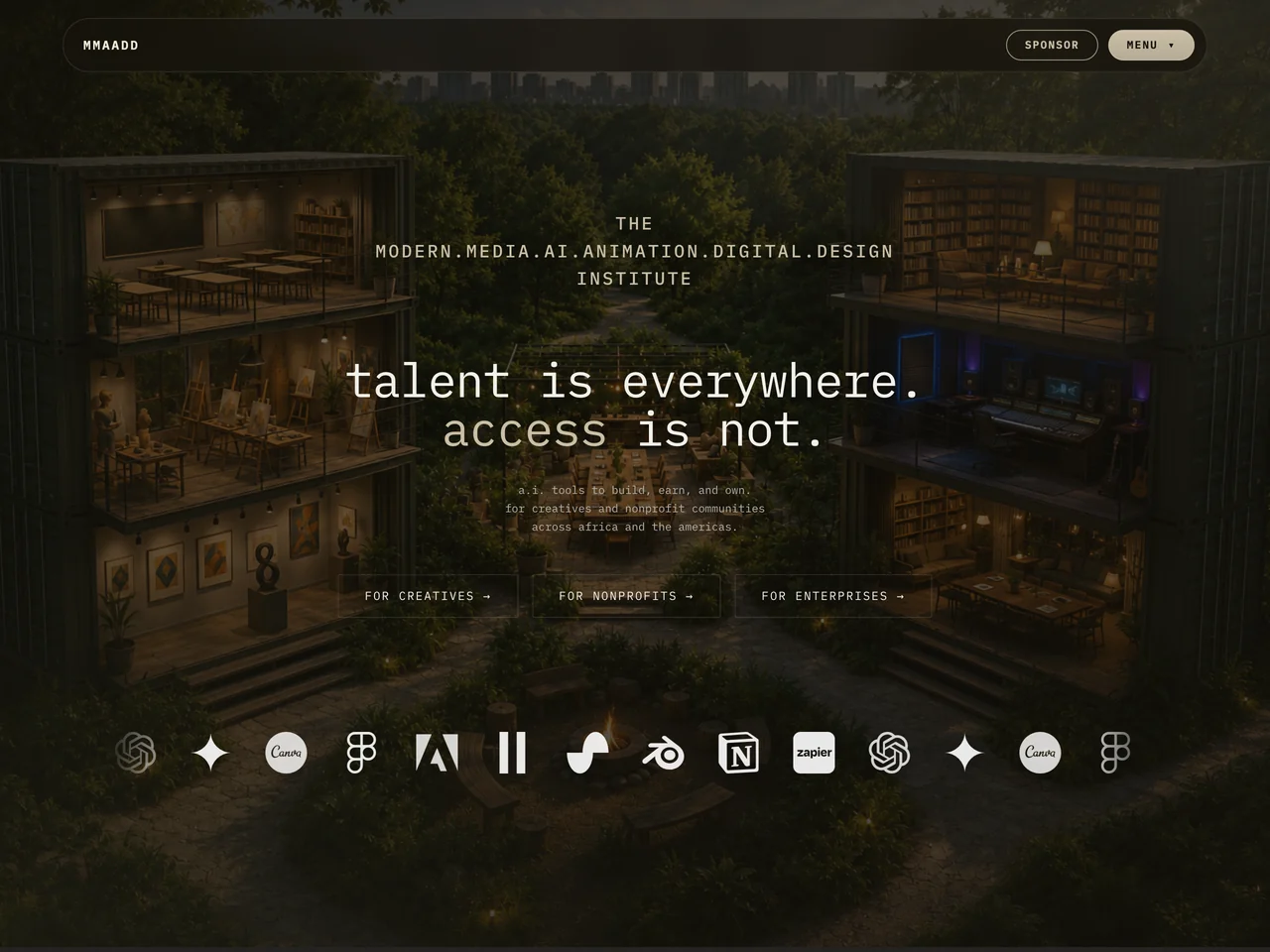

ongoing experiments
give digital access

birthright project inc. is a 501(c)(3) nonprofit · ein 99-3166732 · gifts are tax-deductible to the extent permitted by law.

about birthright see the work support us join us